One of the most common questions we get is: what actually happens to my stuff after you take it?
It's a fair question. Most of us have dropped bags at a thrift store and wondered if anyone ever bought that lamp or wore that jacket. The whole thing feels like a black box. You hand over your items and hope for the best.
GiveBetter works differently. We want you to know exactly where your donation goes and what it does. Here's the full journey, from your doorstep to nonprofit impact.
Step 1: You submit a donation request
It starts on our website. You fill out a short form describing what you'd like to donate -- furniture, clothing, household goods, electronics, whatever you're ready to part with. You upload a few photos so we know what to expect, and you choose which of our vetted nonprofit partners should receive the proceeds.
The whole thing takes about two minutes. No account to create, no paperwork.
Step 2: We schedule your free pickup
Once we review your submission, we reach out to schedule a pickup time that works for you. We come to your door anywhere in Burlington and Chittenden County. You don't need a truck. You don't need to haul a dresser down three flights of stairs. That's our job.
On pickup day, our team arrives at the scheduled time. We load everything up and you're done. That couch that's been sitting in your living room for months? Gone in minutes.
Step 3: We sort and assess
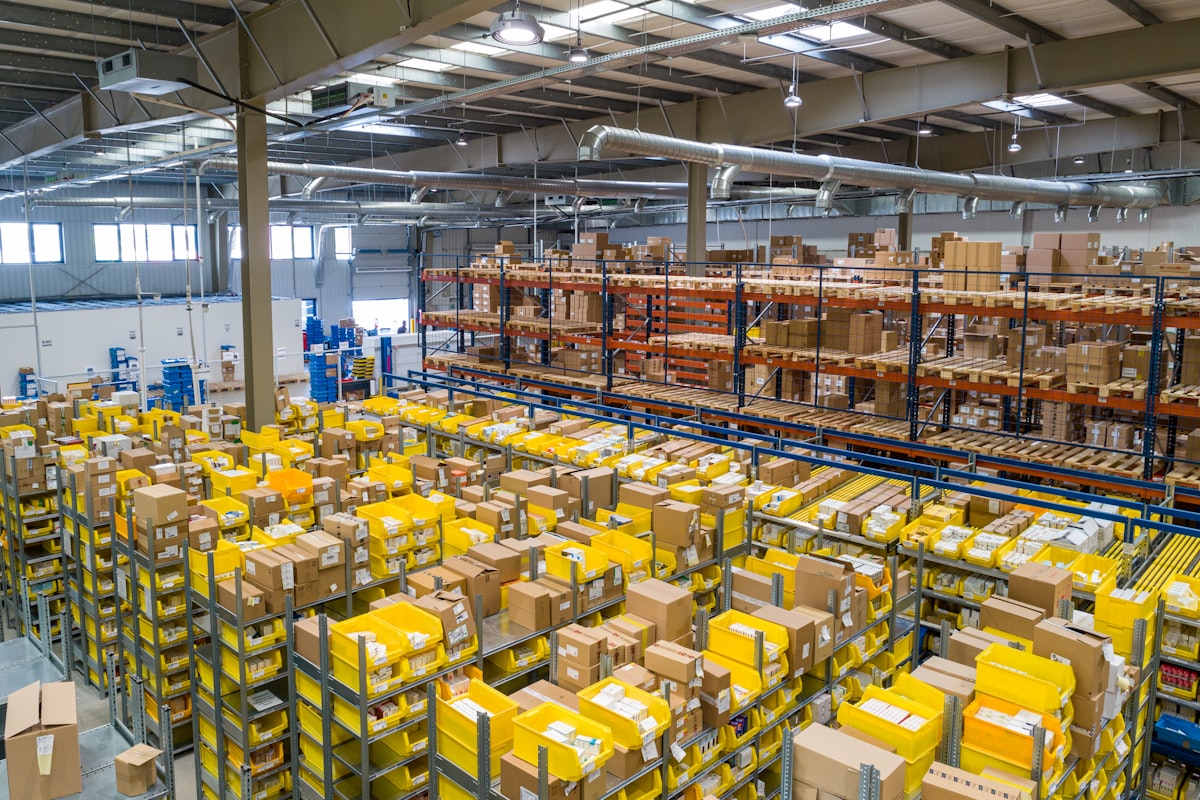
Back at our operations space, every item gets sorted and assessed. We're looking at condition, category, and the best channel to get the most value out of each piece.
A solid oak dining table gets a different treatment than a bag of gently worn kids' clothes. Some items are ready to sell as-is. Others might need a quick clean or minor repair. Anything that's truly past its useful life gets recycled or disposed of responsibly -- but because donors upload photos before pickup, this is rare. We know what we're picking up before we arrive.
Step 4: Your items find new owners
This is where your old stuff starts its second life. Items are listed for sale through our resale channels, priced to move quickly while capturing fair value. Furniture, electronics, and higher-value items are listed individually. Clothing and smaller goods are sold in curated lots.
The goal is simple: convert your donation into as much funding as possible for the cause you chose.
Step 5: Proceeds go to your chosen nonprofit
This is the part that matters most. The money from the sale of your items goes directly to the nonprofit you selected when you submitted your donation. Not to a general fund. Not to overhead. To the specific cause you picked.
That means your old couch might become meals distributed by Feeding Champlain Valley. Your kids' outgrown clothes could help Spectrum Youth & Family Services support young people in crisis. The kitchen set you no longer need might help USCRI Vermont furnish an apartment for a newly arrived refugee family.
You chose the cause. We made it happen.
Why this matters
The average American throws away 81 pounds of clothing per year. Over 80% of discarded furniture ends up in landfills. These aren't broken, useless things -- they're items with real value that could be doing real good.
The problem has never been a shortage of stuff to give. It's been a shortage of easy ways to give it. Loading your car, driving across town, waiting in a drop-off line, and hoping your items actually help someone -- that's enough friction to make most people just put it on the curb.
We built GiveBetter to remove that friction entirely. You fill out a form, we show up, and a nonprofit you care about gets funded. Every item stays out of the landfill and every dollar goes to a vetted local cause.
The circle, made visible
There's a concept we come back to often: donation is not disposal. It's participation in a gift economy. Your unwanted items have value, and that value can ripple outward through the community in ways that a trip to the dumpster never could.
GiveBetter exists to make that circle visible. You should know what happened to your stuff. You should know who it helped. That transparency is what turns a chore into something meaningful.
Ready to start the journey?
If you've got items you no longer need and you want to see them do some good, schedule a free pickup. Choose your cause, set your stuff out, and we'll take it from there. The whole process takes two minutes to start -- and the impact lasts a lot longer than that.